Understanding Watercolor Roses Sublimation: A Practical Guide for Creators
The demand for personalized, high-quality merchandise has shifted the focus from mass-produced graphics to unique, artistic designs. Among these, Watercolor Roses Sublimation has emerged as a favored choice for crafters, small business owners, and DIY enthusiasts. This style combines the organic, fluid aesthetic of traditional watercolor painting with the durability and versatility of digital sublimation printing. For adults aged 20 to 50 exploring creative avenues, understanding the nuances of this format is essential before investing time or resources.
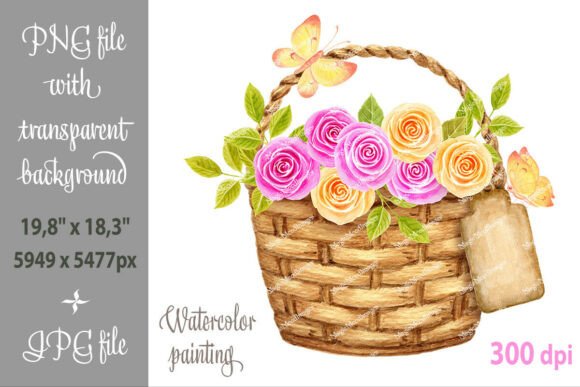
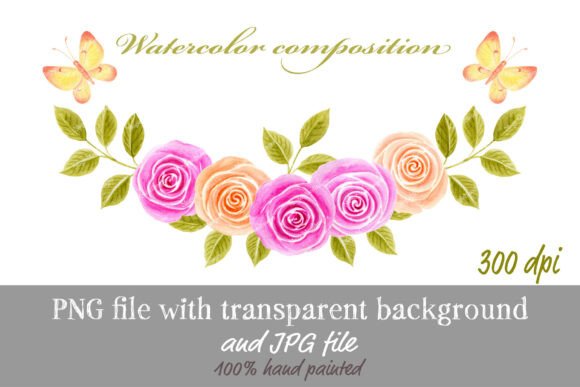
Unlike standard clip art or vector graphics, Hand Painted Watercolor Roses sublimation files offer a texture and depth that mimic real brushstrokes on paper. When applied to various substrates through the sublimation process, these images retain their soft gradients and delicate details, making them particularly effective for sentimental items like wedding invitations, anniversary gifts, and custom apparel. However, deciding whether this specific resource fits your project requires a clear understanding of its technical specifications, application limits, and how it compares to other design formats available in the market.
The Distinctive Nature of Hand-Painted Digital Assets
What sets Watercolor sublimation Roses apart from other floral designs is the origin of the artwork. In many digital packs, "watercolor" effects are generated algorithmically using software filters. These can often look flat or repetitive upon close inspection. In contrast, a set where all elements are hand-drawn captures the unpredictability and charm of physical media. Each petal variation, ink bleed, and color transition is intentional, providing a level of authenticity that resonates well with consumers seeking genuine craftsmanship.
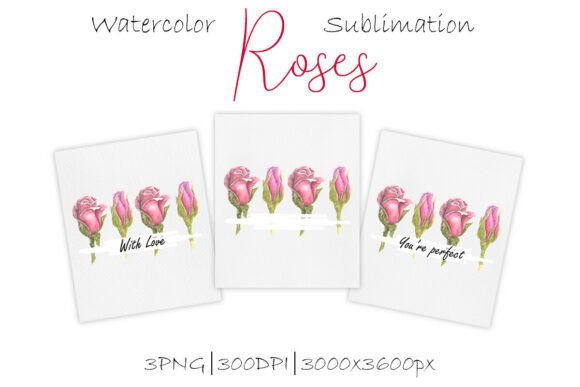
When evaluating a digital download pack containing three high-resolution PNG files, the quality of the source image is paramount. Standard specifications for professional sublimation require a resolution of at least 300 DPI (dots per inch). A file size of approximately 3000x3600 pixels, equating to 10x12 inches at full resolution, ensures that the design remains crisp even when printed on larger surfaces like tote bags or poster-sized announcements. The inclusion of transparent backgrounds in these PNG files is another critical feature, allowing designers to layer the roses over various textures or integrate them seamlessly into complex layouts without awkward white boxes.
Beyond the visual appeal, the thematic content plays a significant role. Many Watercolor Roses Sublimation packs include accompanying text elements such as "Text With Love," "You're perfect," or customizable placeholders for personal messages. This integration simplifies the design process, offering a cohesive look that pairs romantic imagery with meaningful sentiment. For those creating wedding stationery or commemorative gifts, having these textual components pre-designed saves hours of typography work while maintaining stylistic consistency.
Comparing Sublimation Formats and Alternatives
While Watercolor Roses Sublimation offers distinct advantages, it is not the only option available for adding floral designs to products. To make an informed decision, it is helpful to compare this method against alternatives like screen printing, vinyl cutting, and direct-to-garment (DTG) printing.
- Sublimation vs. Screen Printing: Screen printing is ideal for large batches of identical items but involves high setup costs and minimum order quantities. It also struggles with the fine gradients found in watercolor art, often resulting in banding or loss of detail. Watercolor Roses Sublimation, conversely, excels at reproducing complex color blends and is cost-effective for single items or small runs, making it superior for custom, one-off projects.
- Sublimation vs. Vinyl Cutting: Vinyl transfers are durable but inherently flat and lack the translucent quality of watercolor. They cannot replicate the soft edges or color variations of a hand-painted rose. If the goal is a realistic, artistic finish, vinyl is generally not the right tool. Sublimation dyes the substrate itself, allowing the ink to become part of the material rather than sitting on top of it.
- Sublimation vs. DTG Printing: Direct-to-Garment printing is similar to sublimation in its ability to handle detailed images but typically works best on cotton fabrics. Sublimation requires polyester or polymer-coated surfaces. Therefore, if you are designing for cotton t-shirts, DTG might be the alternative to consider. However, for hard goods like phone cases, mugs, or aluminum panels, sublimation is the industry standard.
Another comparison involves the source of the design itself. Vector-based floral patterns offer infinite scalability but often lack the organic texture of hand-painted art. While vectors are excellent for logos or bold graphics, they rarely convey the emotional softness associated with watercolor roses. Choosing between a vector and a raster-based Watercolor Roses Sublimation file depends entirely on the desired aesthetic outcome.
Evaluating Suitability for Specific Projects
The versatility of Watercolor Roses Sublimation extends across a wide range of applications, yet success depends on matching the medium to the product. The sublimation process relies on heat to transfer dye from a special paper onto a surface. Consequently, the substrate must be able to withstand high temperatures and contain synthetic fibers or a polymer coating.
Fabric Applications: On textiles, this technique is most effective on polyester blends, performance wear, or items specifically coated for sublimation. A T-shirt made of 100% cotton will not hold the dye effectively unless it has been treated with a polymer spray. For shoppers looking to create custom shopper bags or clothing, ensuring the fabric composition is correct is a non-negotiable step. The result is a design that feels integrated into the fabric, resistant to cracking or peeling over time.
Hard Goods and Accessories: Phone cases, mousepads, and coasters are excellent candidates for Watercolor Roses Sublimation. The smooth, non-porous nature of these items allows for vibrant color reproduction. The intricate details of hand-painted petals remain sharp, and the glossy finish often enhances the visual impact of the watercolor effect. Similarly, packaging materials and labels benefit from this method, offering a premium look that elevates brand perception.
Paper Crafts and Stationery: Beyond rigid sublimation, high-resolution PNG files can be used for traditional paper printing. Planner inserts, announcement cards, and scrapbooking elements can be printed on high-quality cardstock. The "Text With Love" and "You're perfect" phrases included in many packs are particularly useful for cardmaking and decoupage projects. Here, the tradeoff is that the design sits on the surface of the paper rather than being infused into it, but the visual fidelity remains high due to the 300 DPI resolution.
Decision Factors and Limitations
Before purchasing a digital download pack, potential users should weigh the benefits against the limitations inherent to the format. One primary constraint is the requirement for specific equipment. You cannot simply print these files on a standard home printer and expect sublimation results; a dedicated sublimation printer, ink, and heat press are necessary. If you do not own this equipment, you would need to outsource the printing, which adds cost and time to the project.
Furthermore, the nature of a digital download means there is no physical product shipped. This is a crucial distinction for buyers accustomed to receiving tangible goods. The transaction provides immediate access to three PNG files, requiring the user to have the technical skills to manage file downloads, organize assets, and execute the printing process. For those who prefer a turnkey solution where the final product is delivered ready-made, this format may not be suitable.
Color accuracy is another factor to consider. Sublimation colors can vary slightly depending on the printer settings, ink type, and the specific substrate used. A bright pink rose on a screen might appear slightly different once transferred to a dark-colored item, although sublimation generally works best on light-colored backgrounds. Dark substrates usually require a white underbase or a specialized transfer sheet, which complicates the workflow compared to the straightforward application on white or light polyester.
Strategic Use Cases for Designers and Hobbyists
For bloggers, web designers, and pattern creators, Watercolor Roses Sublimation files serve as valuable assets for digital content. The high resolution allows these images to be used as photo overlays, background textures, or decorative elements in web layouts without pixelation. The transparency of the PNG files facilitates easy integration into various design software programs, streamlining the creation of festive themes, wedding websites, or seasonal promotions.
In the realm of DIY projects, the flexibility of having three distinct files—featuring different roses and text options—allows for customization without the need for advanced graphic design skills. A user can combine the "Your text" placeholder with a specific rose arrangement to create a personalized gift for a wedding or anniversary. The affordability of digital downloads makes this accessible for hobbyists who want to produce high-quality results without the overhead of commissioning custom illustrations.
Ultimately, the decision to use Watercolor Roses Sublimation hinges on the balance between artistic intent and technical capability. It is an excellent choice for those who value the organic beauty of hand-painted art and possess the tools to bring digital files to life on diverse surfaces. By understanding the strengths of the format, the requirements of the sublimation process, and the alternatives available, creators can confidently select the right resources for their next project, ensuring both aesthetic satisfaction and functional durability.