Botanical Leaves Hand Drawn Line Art: A Practical Guide for Designers and Creators
In the modern digital design landscape, the demand for organic textures and hand-crafted aesthetics has never been higher. Botanical Leaves Hand Drawn Line Art represents a specific niche within this trend, offering a refined alternative to generic stock photography or overly complex vector illustrations. For professionals ranging from wedding planners to brand strategists, these assets provide a versatile foundation for creating cohesive visual identities. Unlike rigid geometric shapes, hand-drawn sketches introduce a human element that resonates deeply with audiences seeking authenticity and warmth.
The value of this specific graphic style lies in its dual nature: it captures the intricate detail of fine art while maintaining the scalability and editability of digital vectors. Whether you are designing a DIY wedding invitation pencil line art suite or developing packaging for an eco-friendly product line, understanding how to integrate these elements into your workflow is essential for achieving professional results. This guide explores the practical application, technical specifications, and strategic implementation of botanical leaf sketches in real-world creative projects.
Understanding the Asset Structure and Technical Specifications
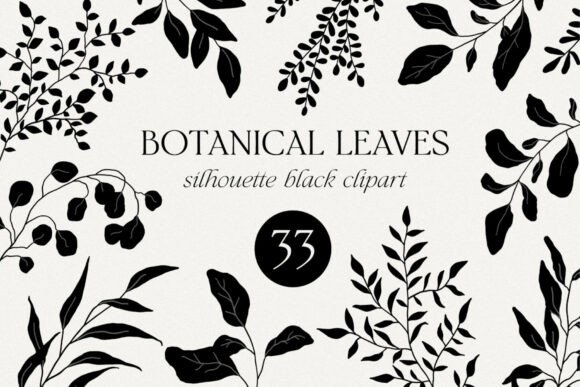
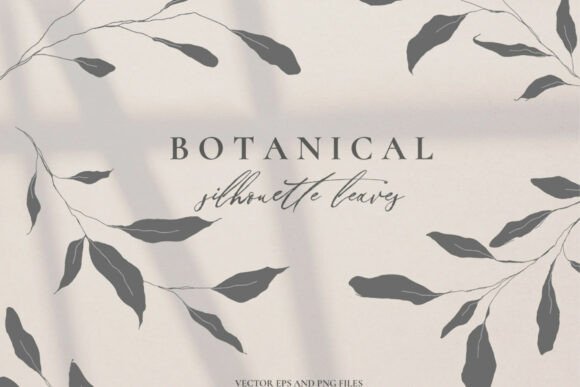
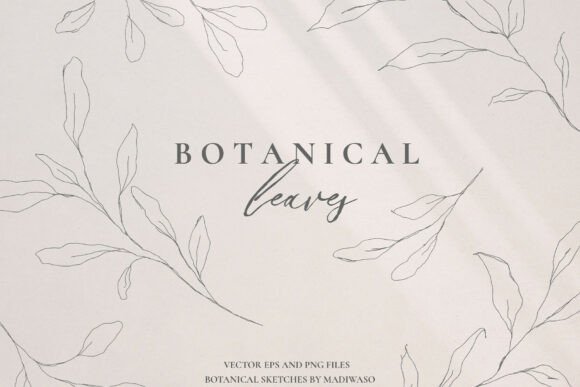
Before integrating any graphic resource into a project, it is crucial to understand the underlying file formats and their capabilities. The collection of Botanical leaves hand drawn sketches line art graphic clipart typically arrives as a hybrid package designed for maximum flexibility. You will generally receive 27 individual elements in high-resolution PNG files, each sized at 3000x3000 pixels, alongside a single EPS10 vector file containing all elements.
This combination serves distinct purposes in a production workflow. The PNG files are ideal for immediate use in web design, social media graphics, and presentations where quick drop-and-place functionality is required. At 3000x3000 pixels, these raster images offer sufficient resolution for standard print runs without requiring further processing. However, the true power of this asset lies in the EPS10 vector file. Vector graphics are mathematical rather than pixel-based, meaning they can be scaled infinitely without losing quality. This is a critical factor when moving from a small business card to a large-format banner or a detailed wallpaper mural.
The ability to recolor these elements easily is another defining feature. In branding scenarios, consistency is paramount. A designer might need to shift a palette from sage green to navy blue to match a client's corporate identity. With vector-based line art, changing the stroke color is a one-click operation, ensuring that the artistic integrity of the sketch remains intact while adapting to new color schemes. This adaptability makes the asset set a long-term investment rather than a one-time purchase.
Strategic Integration into Creative Workflows
Effective use of Botanical Leaves Hand Drawn Line Art requires planning before the actual design work begins. These assets should not be treated as afterthoughts but as core components of the visual strategy. Consider the stage of your project: are you in the conceptualization phase, the execution phase, or the final refinement stage? Each stage offers different opportunities for utilizing these sketches.
Pre-Production and Planning
During the planning phase, these line drawings serve as excellent mood board materials. They help establish the tone of a project early on. For instance, if you are organizing a wedding, selecting a set of pencil line art leaves can dictate the typography choices, paper texture, and even the floral arrangements. The delicate nature of the sketches suggests a minimalist, elegant aesthetic, guiding decisions away from bold, heavy graphics toward something more subtle and sophisticated.
For entrepreneurs launching a new product, these assets assist in defining the brand voice. A skincare line using hand-painted fine art PNG vectors signals natural ingredients and artisanal care. By reviewing the available elements early, you can determine which leaves complement your logo and which might clash, saving time during the layout process.
Execution and Composition
Once the concept is approved, the execution phase involves combining elements to create unique compositions. The strength of having 27 distinct elements is the ability to mix and match without repetition. In a DIY wedding invitation pencil line art project, you might layer a large monstera leaf behind the text for depth, while using smaller fern fronds to frame the corners. This layering technique adds dimension to flat designs.
Because the files are vector-based, you can manipulate the scale dramatically. A single leaf can be enlarged to serve as a background pattern or shrunk to act as a bullet point in a brochure. This scalability allows for consistent visual language across various mediums, from a website header to a physical greeting card. The key is to maintain spacing and balance; overcrowding the canvas with too many elements can detract from the elegance of the line art.
Post-Production and Quality Control
After the initial design is complete, the versatility of the format aids in quality control. If a client requests changes—such as altering the line weight or adjusting the color contrast—the vector file allows for precise edits without degrading the image. This ensures that the final output meets professional standards regardless of the medium. Furthermore, having both PNG and EPS files means you can quickly generate proofs for digital review while retaining the master files for high-quality printing.
Practical Use Cases Across Industries
The applications for Botanical leaves hand drawn sketches line art graphic clipart extend far beyond simple decoration. These assets solve specific problems for various professionals by providing ready-made solutions that save time and elevate design quality.
- Wedding and Event Planning: Couples and planners often struggle to find cohesive stationery. Using a unified set of pencil line art leaves ensures that invitations, menus, and place cards share a consistent visual theme. The hand-drawn style adds a personal touch that feels bespoke without the cost of custom illustration.
- Packaging Design: Small businesses selling organic products, teas, or cosmetics rely heavily on packaging to communicate value. Line art leaves suggest purity and nature. Because the vectors can be resized, they fit perfectly on small labels or large boxes, maintaining clarity at any size.
- Digital Marketing and Social Media: Content creators need engaging visuals that stand out in crowded feeds. High-resolution PNGs of botanical sketches are perfect for Instagram stories, blog headers, and email newsletters. They break up text-heavy content and add visual interest without overwhelming the message.
- Branding and Identity: Startups looking to establish a fresh, modern identity can incorporate these elements into logos or brand patterns. The simplicity of line art translates well across different screens and print materials, ensuring brand recognition.
- Interior Design and Decor: Architects and interior designers can use these graphics to create custom wallpapers, wall decals, or fabric prints. The ability to tile the elements creates seamless patterns that bring a touch of nature indoors.
Optimizing Efficiency and Consistency
To maximize the return on investment for these graphic assets, organization is key. When working with a set of 27 elements, it is easy to lose track of which variations have been used or how they interact with other design components. Establishing a folder structure that separates the PNGs for web use from the EPS files for print is a best practice. Additionally, creating a style guide that defines how these leaves should be colored and scaled ensures consistency across all deliverables.
Efficiency also comes from understanding the limitations and strengths of the tools. While the EPS10 file is powerful, ensure your software supports this version for full compatibility. Most modern design suites handle EPS10 effortlessly, but older systems may require conversion. Always test the export settings to guarantee that the line weights remain crisp when converted to PDF or printed.
Furthermore, consider the longevity of the design. Trends in graphic design shift, but the appeal of botanical motifs remains relatively stable. By choosing high-quality, hand-drawn line art, you invest in a timeless aesthetic that will not look dated in a few years. This forward-thinking approach reduces the need for frequent rebranding or redesigns, allowing you to focus on other aspects of your business or creative pursuits.
Final Thoughts on Implementation
Integrating Botanical Leaves Hand Drawn Line Art into your creative process is more than just adding images to a page; it is about adopting a mindset of thoughtful composition and strategic resource management. Whether you are crafting a DIY wedding invitation pencil line art suite or building a comprehensive brand identity, these assets offer the flexibility and quality needed to succeed. By leveraging the dual format of PNG and EPS, you gain the speed of raster graphics and the precision of vector art.
The 27 elements provided in such sets invite experimentation. Do not hesitate to combine them in unexpected ways, adjust colors to suit your vision, or scale them to challenge traditional layouts. The goal is to create unique compositions that tell a story and connect with your audience. With the right preparation and execution, these trendy illustrations become more than just clipart; they become an integral part of your professional toolkit, enabling you to produce high-quality work efficiently and effectively.