Mastering Spooky Halloween Artwork Sublimation for Seasonal Creations
The arrival of autumn brings with it a surge of creative energy, particularly for those who specialize in seasonal design and manufacturing. Among the most popular trends in this niche is the demand for high-quality graphics that can be transferred onto various substrates. This is where Spooky Halloween Artwork Sublimation becomes a critical asset for designers, small business owners, and hobbyists alike. The process involves using specialized digital files to infuse vibrant colors and intricate details into materials like polyester fabrics, ceramics, and coated metals. Unlike traditional printing methods, sublimation allows the ink to become part of the material itself, resulting in durable, fade-resistant designs that are perfect for the long-term use required by holiday merchandise.
The Evolution of Digital Clipart in Holiday Manufacturing
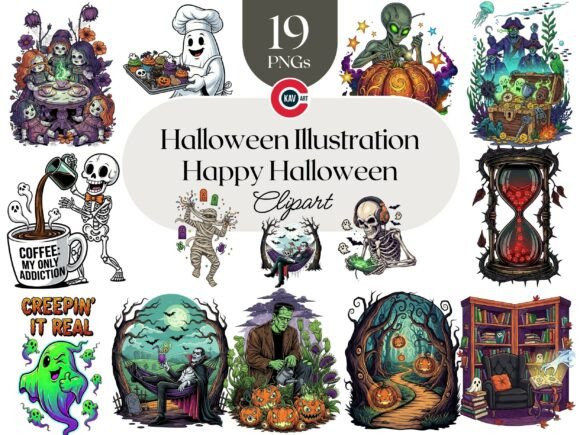
In the past, creating custom Halloween products often relied on screen printing or vinyl cutting, both of which had limitations regarding color gradients and detail resolution. The advent of high-resolution digital assets has revolutionized this landscape. Modern creators now utilize bundles containing thousands of pixels of detail, ensuring that even the smallest elements, such as the stitching on a cowboy skeleton's vest or the whiskers of a black cat, remain crisp after transfer. These assets are typically provided as transparent PNG files, a format essential for layering and integrating into complex compositions without the distraction of white backgrounds.
The shift toward digital crafting has democratized the production of seasonal goods. A single designer can now produce a wide array of products ranging from personalized mugs to large-scale wall art, all starting from a single set of digital files. This flexibility is particularly valuable during the short window of the Halloween season, where speed to market is just as important as product quality. By leveraging pre-designed elements, creators can focus on composition and marketing rather than spending weeks illustrating every character from scratch.
Technical Specifications for Professional Results
To achieve professional-grade results in sublimation, the source files must meet specific technical criteria. The standard for high-end seasonal clipart often includes dimensions of 4500x5500 pixels. This high resolution ensures that when the image is scaled up for larger items like tote bags or hoodies, there is no pixelation or loss of clarity. Furthermore, the transparency of the background is non-negotiable. A seamless integration into any project requires that the artwork sits cleanly atop the substrate, whether it is a dark t-shirt or a glossy ceramic mug.
When working with Spooky Halloween Artwork Sublimation, understanding color profiles is also vital. While the digital file may look vibrant on an RGB monitor, the sublimation process relies on CMYK color theory to some extent, though modern printers handle the conversion automatically. However, designers must ensure that their source images have sufficient contrast and saturation to survive the heat press process. Characters like playful ghosts and cool skeletons rely on distinct outlines and bold colors to maintain their "cute" or "spooky" aesthetic once transferred.
Strategic Applications Across Diverse Markets
The versatility of these digital assets extends far beyond simple decoration. They serve as the foundation for a robust print-on-demand (POD) business model. For entrepreneurs, the ability to quickly mock up new designs is a significant competitive advantage. Consider the application of a cowboy skeleton graphic. In one context, it might be placed centrally on a men's hoodie for a western-themed party. In another, it could be used as a repeating pattern on a canvas print or a planner sticker sheet. The same digital asset adapts to multiple product lines, maximizing the return on investment for the creator.
Apparel and Textile Customization
One of the most lucrative applications for spooky clipart is in the apparel industry. T-shirts, hoodies, and tank tops made from polyester blends are ideal candidates for sublimation. The heat transfer process bonds the dye to the fibers, meaning the design will not crack, peel, or wash out over time. This durability is crucial for consumers looking for costumes or themed wear that they can reuse year after year. A bundle featuring a mix of cute ghosts and festive elements allows designers to create collections that appeal to different demographics, from children who prefer softer, friendlier characters to adults who enjoy edgier, more humorous takes on classic monsters.
Ceramics and Drinkware Solutions
Beyond clothing, the demand for customized drinkware remains consistently high during the Halloween season. Mugs, tumblers, and water bottles are popular gifts and party favors. The cylindrical nature of these items presents unique design challenges, but high-resolution PNG files make wrapping the artwork seamless. A black cat illustration, for instance, can be designed to curve perfectly around a tumbler, maintaining its proportions and visual impact. The transparency of the files ensures that the natural color of the mug—often white or light-colored for sublimation—shows through where appropriate, creating a clean, professional finish.
Enhancing the Creative Workflow for Hobbyists and Professionals
For the DIY enthusiast or the home-based crafter, the barrier to entry for creating professional-looking Halloween goods has never been lower. Software compatibility is a key factor here. High-quality transparent PNGs are universally accepted by major design platforms such as Canva, Adobe Illustrator, Photoshop, and Cricut Design Space. This interoperability means that users do not need to be experts in vector editing to utilize these assets effectively. They can simply drag and drop a skeleton or a witch hat into their layout, resize it, and prepare it for printing.
This ease of use fosters creativity. Instead of being bogged down by technical hurdles, creators can experiment with layering. Imagine combining a cowboy skeleton with a pumpkin patch background and adding text for a personalized invitation. The workflow becomes about storytelling and composition rather than technical execution. For educators, these assets offer a practical way to teach students about digital design, color theory, and the basics of manufacturing processes. Students can learn how a digital file transforms into a physical object, bridging the gap between the virtual and the tangible.
Optimizing for Print-on-Demand Platforms
Business owners utilizing POD services like Printful, Redbubble, or Etsy require assets that are optimized for automated workflows. The consistency of file size and format is paramount. When uploading a design for a phone case or a tote bag, the platform needs to recognize the boundaries of the image clearly. Transparent backgrounds eliminate the need for manual masking, reducing the time spent on preparation and minimizing errors. This efficiency allows businesses to scale their operations rapidly, launching dozens of new designs in a matter of days rather than weeks.
Furthermore, the thematic variety within a comprehensive clipart bundle supports cross-selling strategies. A customer purchasing a Halloween t-shirt might also be interested in matching stickers or wall art. By having a cohesive set of characters—such as a consistent style of black cats and ghosts—across different product types, brands can build a recognizable identity. This visual consistency strengthens brand loyalty and encourages repeat purchases.
Design Trends and Consumer Preferences
Consumer tastes in Halloween decor and apparel have shifted significantly in recent years. There is a growing preference for designs that blend the spooky with the whimsical. The "cutesy-spooky" aesthetic, characterized by pastel ghosts, smiling skeletons, and friendly monsters, has gained immense popularity. This trend appeals to families and younger audiences who want to celebrate the holiday without the fear associated with traditional horror imagery. Conversely, there is still a strong market for edgy, humorous designs, such as skeletons wearing cowboy hats or engaging in modern activities.
Spooky Halloween Artwork Sublimation thrives on this diversity. A well-curated bundle captures these nuances, offering a range of styles that cater to different segments of the market. For example, a design featuring a black cat with a witch's hat might be rendered in a vintage style for scrapbooking projects, while the same character could be stylized with neon colors for a trendy youth t-shirt. Understanding these trends allows creators to anticipate demand and stock their digital inventories accordingly.
The Role of Humor and Personality
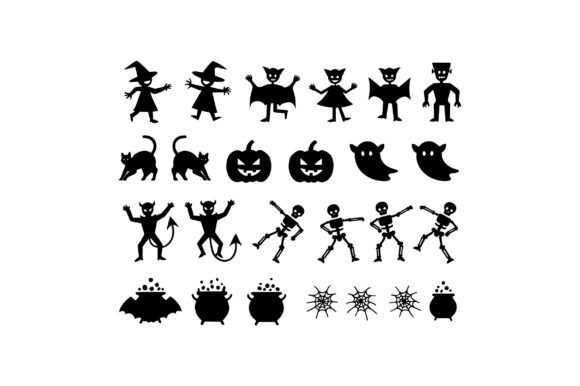
Humor is a powerful driver in seasonal sales. Designs that tell a story or evoke a laugh tend to perform better than generic imagery. A skeleton riding a skateboard or a ghost holding a coffee cup adds a layer of personality that resonates with buyers. These elements transform a simple product into a conversation starter. When selecting clipart, designers should look for assets that possess character and expression. The eyes of a ghost, the posture of a skeleton, and the accessories chosen for a black cat all contribute to the narrative of the final product.
Moreover, the ability to personalize these designs adds significant value. Consumers today seek unique items that reflect their individuality. Whether it is adding a name to a mug or customizing a party invitation with specific dates and locations, the flexibility of digital clipart makes personalization effortless. This customization capability is a key selling point for gift-giving occasions, making these products ideal for teachers, corporate events, and family gatherings.
Future-Proofing Your Creative Assets
As technology advances, the expectations for print quality continue to rise. What was considered high-definition five years ago may now appear lacking on modern 4K displays or high-resolution printers. Investing in high-resolution assets, such as the 4500x5500 px files mentioned earlier, future-proofs your creative library. These files can be scaled down for small items like stickers or planner decor without losing quality, and they can be cropped or resized for larger formats like banners and posters.
Additionally, the longevity of these digital assets extends beyond a single season. With minor modifications, a Halloween skeleton can be adapted for Day of the Dead celebrations, or a black cat can be repurposed for general pet-themed merchandise. The versatility of the underlying artwork ensures that the initial investment yields returns across multiple product cycles and seasons. For researchers and educators studying the intersection of digital media and manufacturing, these assets provide a clear case study in how scalable design impacts modern commerce.
Ultimately, the success of any seasonal product line hinges on the quality of the visuals. Spooky Halloween Artwork Sublimation offers a pathway to excellence, enabling creators to bring their visions to life with precision and flair. From the initial concept to the final heat press, the journey of transforming a digital file into a tangible, beloved item is a testament to the power of modern design tools. Whether you are a seasoned professional or a weekend hobbyist, mastering these techniques opens up a world of possibilities for celebrating the spirit of Halloween with style, humor, and creativity.